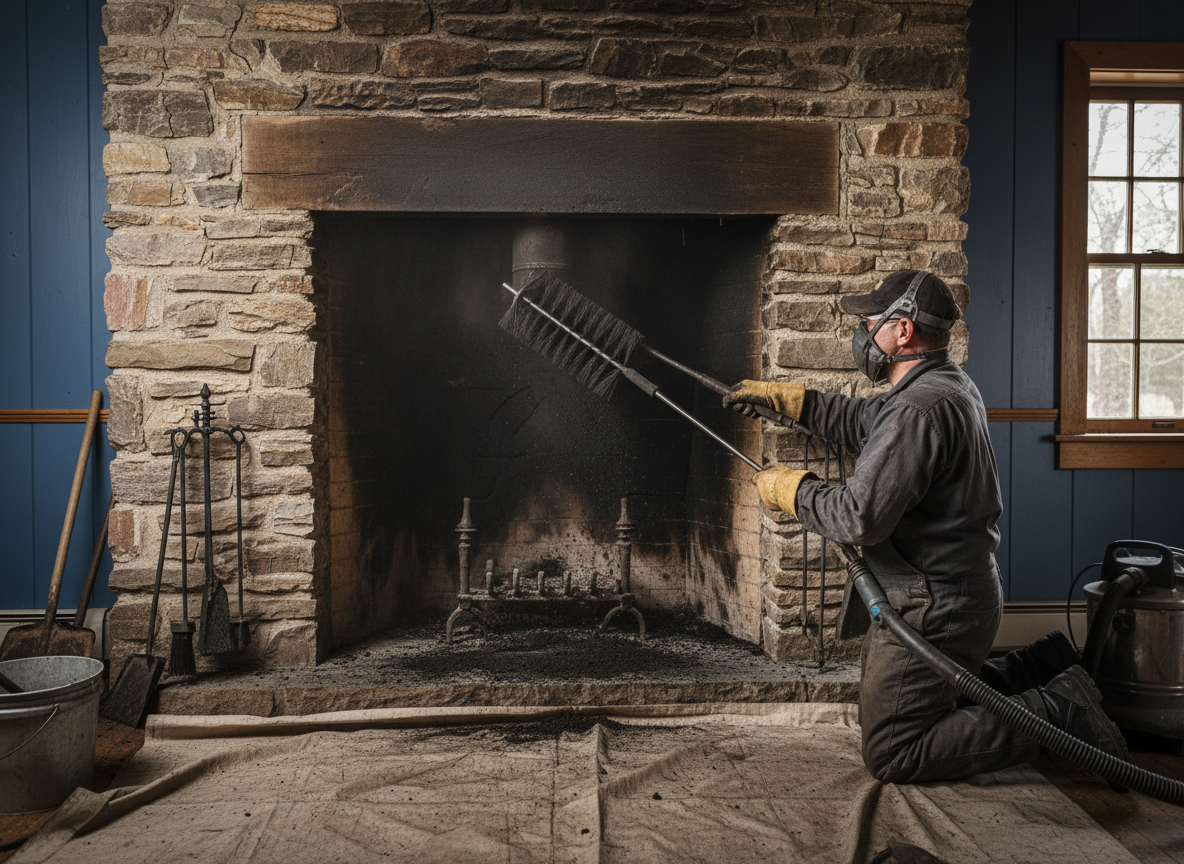
Soot from structure fires in Patton's older housing stock near Patton State Hospital often penetrates plaster walls and attic insulation because many homes predate modern vapor barriers. Mediterranean climate summers bake residues into surfaces while mild winters let fine particles settle deeper into HVAC ducts before discovery. Technicians must distinguish between oily soot from synthetic furnishings and dry soot from wood framing, as each requires different pH-neutral cleaners to avoid etching drywall or corroding metal vents common in San Bernardino County builds.
Edge cases include soot migration through shared walls in duplexes along Highland borders, where negative-pressure containment fails if crews overlook crawlspace vents. Code considerations in San Bernardino County require HEPA filtration during removal to prevent recontamination of adjacent units, and failure to address hidden layers behind baseboards often leads to odor return after the first post-fire rain. Workmanship inspection focuses on verifying that all affected porous materials like carpet padding are removed rather than treated, since local soil conditions can draw residual oils upward through slab foundations.
Homeowners frequently underestimate how hot summer winds in the San Bernardino area drive soot into window tracks and electrical boxes, creating arc risks if not cleared. Proper removal sequences start with surface vacuuming before any wet cleaning to prevent smearing, and final verification uses blacklight inspection to catch residues missed on textured ceilings typical of Patton construction.
Technician insight
In Patton, the thing that catches most people out with Soot removal is how older plaster walls around Patton State Hospital hold residues through the mild winters, then release them when summer heat expands the material and drives particles into living spaces.
Soot in Attic Insulation After Kitchen Fire
A Patton home near Highland experienced soot migration into the attic after a stove fire. Inspection showed particles embedded in fiberglass batts and along rafters due to the area's hot summer air currents. Crews contained the space, removed the insulation, and cleaned the joists before reinstalling new material. The home passed clearance testing with no recurring odor.
How it works
- 1
Initial Assessment
Inspect all affected rooms, HVAC systems, and hidden cavities for soot depth and type while documenting conditions near Patton State Hospital properties.
- 2
Containment Setup
Isolate work zones with plastic sheeting and negative air machines to prevent soot spread into unaffected areas of San Bernardino County homes.
- 3
Dry Removal
HEPA vacuum walls, ceilings, and contents to lift loose particles before any liquid cleaning begins.
- 4
Surface Cleaning
Apply appropriate cleaners to nonporous surfaces and remove contaminated porous materials like insulation.
- 5
Final Verification
Conduct blacklight and odor checks, then restore HVAC function once clearance is confirmed.
Pricing
Pricing varies by the volume of affected surfaces and whether hidden cavities require opening; detailed assessments are provided before any work starts.