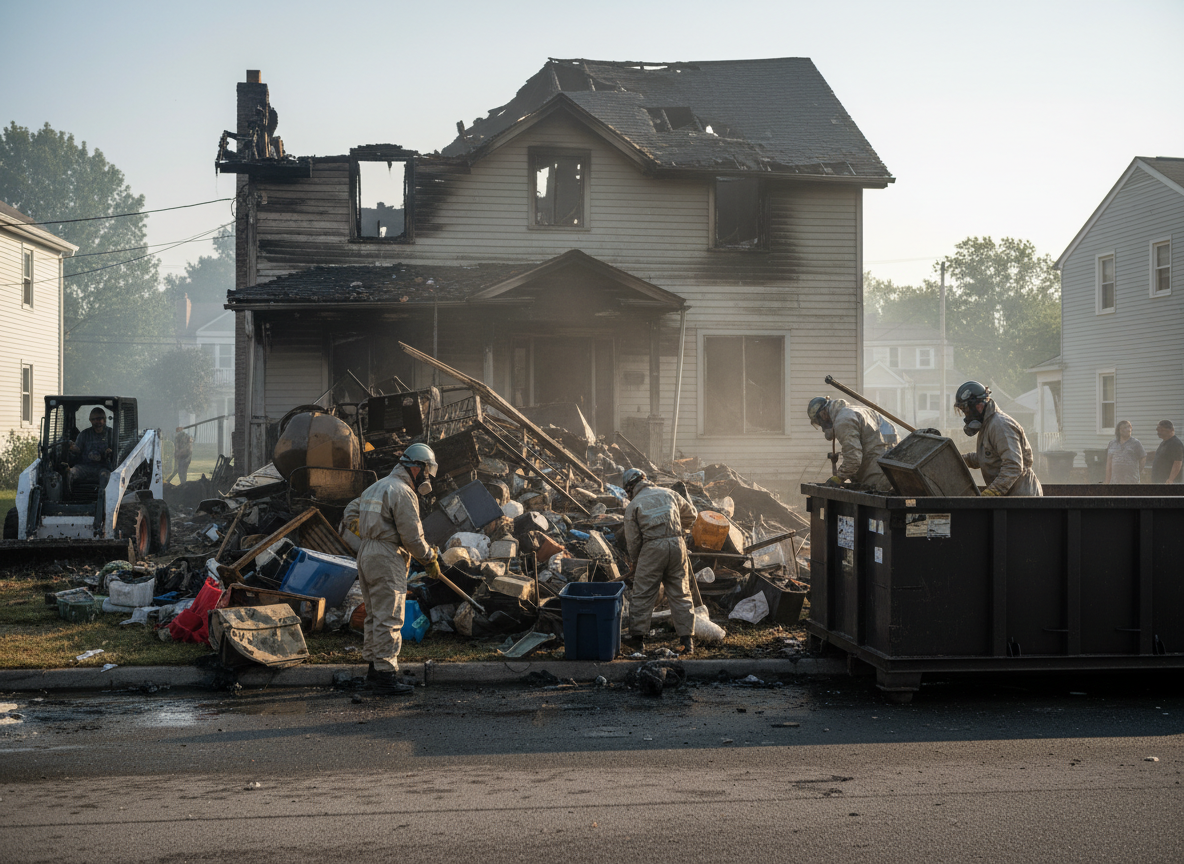
In Patton's older housing stock near the state hospital, fire damage often penetrates layers of accumulated belongings that trap soot and odors in walls and attics. Hot summer temperatures accelerate mold growth once water from suppression sits in those piles, while mild winters slow natural drying and let residues settle deeper into carpets and insulation. Crews must separate salvageable items from contaminated ones without spreading particulates through the single-story homes common along Highland Avenue.
San Bernardino County codes require proper disposal of fire-damaged materials mixed with hoarded items, especially when ash contains heavy metals from burned plastics. Technicians work room by room, using negative air machines to contain dust while sorting contents. Edge cases include hidden electrical hazards from overloaded circuits typical in these mid-century homes and soil contamination if runoff from suppression reaches yards near the hospital grounds.
Mediterranean climate patterns mean crews often return during Santa Ana wind events to recheck seals, as dry gusts can stir settled smoke particles back into living spaces. Work focuses on HEPA filtration and odor neutralization rather than simple removal, because porous materials like drywall in Highland-adjacent properties retain smells for years if not treated thoroughly.
Technician insight
In Patton, the thing that catches most people out with hoarding cleanup after fire is how quickly summer heat turns wet suppression water into hidden mold inside stacked newspapers and boxes along the foundation walls of these older Highland-adjacent homes.
Cluttered Bungalow Off Highland Ave
A kitchen fire spread soot through a Patton home packed with decades of belongings. We found water pooled under floorboards that had wicked into hoarded clothing and paper. Crews removed layers methodically, treated mold, and restored airflow so the owner could return within the week.
How it works
- 1
Initial Assessment
Inspect the property for structural risks, map hoarded zones, and identify smoke migration paths through Patton homes.
- 2
Content Removal
Sort and remove debris layer by layer, bagging contaminated items for county-approved disposal while protecting salvageable belongings.
- 3
Cleaning and Deodorizing
Apply HEPA vacuuming, antimicrobial treatments, and thermal fogging to neutralize soot on remaining surfaces.
- 4
Final Clearance
Conduct air quality checks and walkthrough to confirm the space meets habitability standards before returning keys.
Pricing
Cost depends on volume of debris, number of affected rooms, and extent of smoke penetration; quotes provided after on-site evaluation.